
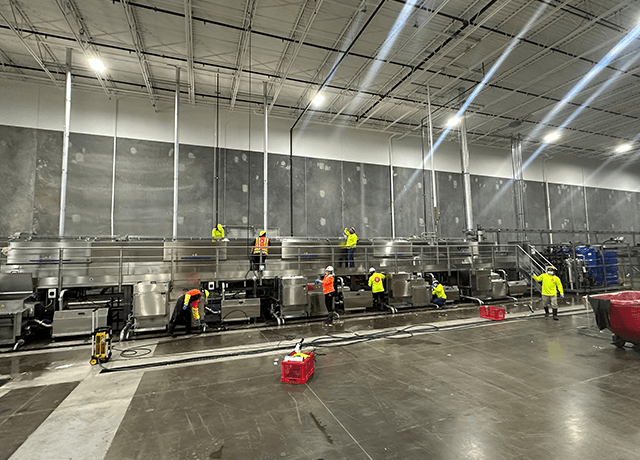
Dust, dirt, residue, and debris can create conditions that affect visibility, airflow, accessibility, and overall operations in industrial facilities. While industrial cleaning doesn't replace equipment maintenance, it supports a cleaner work environment that helps protect valuable machinery and keeps facilities operating smoothly. In this blog post, join Whitlock Building Services, LLC as we explore how industrial cleaning helps protect equipment and why a cleaner production environment benefits your entire operation.
Highlights
- How industrial environments collect contaminants
- How contaminants affect equipment
- Common places where dirt and debris accumulate
- Building a cleaning program around your operations
Introduction
In industrial environments, contaminants are constantly accumulating. Fine dust settles on machinery, residue builds up around production equipment, packaging materials collect beneath conveyor systems, and dirt is tracked through work areas by employees, carts, and forklifts. Even in well-maintained facilities, these materials gradually become part of the production environment.
Without routine cleaning, that buildup can interfere with equipment performance, accelerate wear on critical components, and increase the risk of unplanned downtime. Keeping contaminants under control is an important part of protecting the machinery your operation depends on and maintaining efficient day-to-day operations.
Understanding how different contaminants affect industrial equipment, workplace safety, and overall productivity can help you make more informed decisions about your facility's maintenance strategy. This guide explores why industrial cleaning is an important part of protecting your equipment and supporting long-term operational reliability.
How Industrial Environments Collect Contaminants
Industrial facilities are constantly in motion. Raw materials arrive, products move through different stages of production, employees travel between workstations, and equipment operates for hours at a time. Even in facilities with strong housekeeping practices, it's natural for dust, debris, and residue to accumulate throughout the workday.
Unlike an office environment, contaminants in an industrial space come from a wide range of sources. Packaging materials leave behind cardboard fibers, pallets shed wood particles, forklifts track dirt from one area to another, and production processes can generate fine dust or residue that settles on nearby surfaces. While these materials may seem insignificant individually, they gradually build up around equipment and throughout the facility.
Everyday Operations Create Everyday Buildup
It's easy to associate industrial cleaning with cleaning up major spills or visible messes, but most contamination develops much more gradually. A small amount of dust settles on equipment each day. Bits of plastic wrap, labels, or packaging collect beneath production lines. Small amounts of dirt are carried indoors on tires and shoes, eventually spreading through work areas with regular foot and vehicle traffic.
Because these changes happen slowly, they often go unnoticed until the buildup becomes difficult to ignore. By then, production areas may require a more extensive cleaning effort than if routine housekeeping had kept pace with daily operations. In some cases, buildup can even lead to machine breakdowns.
A Clean Facility Supports Daily Operations
Industrial cleaning isn't about making a plant look polished for visitors. Its primary purpose is to help maintain an organized, functional workspace where employees can move safely and equipment remains functional and accessible.
Regular cleaning helps prevent unnecessary accumulation around production areas, reducing clutter and making it easier for staff to perform their day-to-day responsibilities. Instead of constantly reacting to growing buildup, facility managers can maintain a cleaner environment that supports efficient operations throughout the year.
How Contaminants Affect Industrial Equipment
In industrial environments, contaminants don't simply collect around equipment. Dust, residue, fibers, metal shavings, and other debris can eventually make their way into moving components, ventilation systems, sensors, bearings, and electrical enclosures. Even small amounts of contamination can interfere with equipment designed to operate within tight tolerances.
As contaminants accumulate, machinery may have to work harder to maintain normal performance. Cooling systems become less effective, moving parts experience additional friction, and sensors may produce inaccurate readings. Left unchecked, these issues can contribute to unnecessary wear, reduced efficiency, and unexpected downtime.
How Contamination Can Damage Equipment
Industrial contaminants can:
- Restrict airflow around motors and electrical components
- Increase friction on moving parts through dust and debris
- Interfere with sensors and automated control systems
- Introduce abrasive particles into bearings and mechanical assemblies
- Accelerate corrosion when moisture and residue accumulate
- Increase the likelihood of unexpected equipment failures
Routine Cleaning Helps Prevent Costly Problems
Contaminants begin accumulating as soon as production starts, making routine cleaning an important part of equipment protection rather than simply a housekeeping task. Removing debris before it enters sensitive components helps reduce unnecessary wear, supports reliable equipment performance, and allows maintenance teams to identify developing issues before they become expensive repairs.
A proactive industrial cleaning program protects both the equipment itself and the production environment, helping industrial facilities maximize reliability while minimizing avoidable downtime.
Why the Area Around Equipment Still Matters
While protecting the equipment itself is the primary goal, maintaining the surrounding work area is equally important. Dust, scraps, packaging materials, and other debris can easily be carried into machinery by airflow, foot traffic, forklifts, or routine maintenance activities. A cluttered production floor can also increase the risk of accidents, make inspections more difficult, delay maintenance, and increase the likelihood that contaminants reach sensitive components.
Keeping the area around equipment clean helps reduce the amount of debris that comes into contact with machinery while creating a safer, more efficient workspace for employees. As part of a comprehensive maintenance strategy, routine industrial cleaning supports both equipment reliability and smooth day-to-day operations.
How Clean Equipment Areas Support Maintenance Teams
Industrial cleaning and equipment maintenance go hand in hand. Keeping the area around machinery free of dust, debris, and clutter gives maintenance personnel easier access for inspections and repairs while reducing the chance of contaminants entering sensitive components.
A clean production environment also makes developing issues easier to spot. Fresh leaks, unusual residue, or other signs of equipment problems are more visible on clean surfaces, allowing maintenance teams to identify and address potential issues before they become more serious.
Common Places Where Dirt and Debris Accumulate
Every facility is different, but certain locations consistently experience heavier buildup because of daily production, employee movement, and material handling. Identifying these areas helps prevent contaminants from reaching equipment and creating unnecessary maintenance challenges.
Some of the most common areas include:
- Around production equipment: Dust, packaging fragments, production residue, and dirt naturally settle around machines, where they can eventually enter moving parts, ventilation systems, or electrical components.
- Under conveyors and production lines: Loose materials and debris often collect beneath equipment before being redistributed by foot traffic, forklifts, or airflow.
- Equipment bases and support structures: Dirt accumulates around legs, frames, guards, and other hard-to-reach areas, making inspections more difficult and allowing contaminants to build up over time.
- Utility corridors and service areas: Dust and debris can accumulate around piping, electrical systems, and compressed air lines, affecting both equipment access and overall cleanliness.
- Material staging locations: Cardboard fibers, plastic wrap, pallets, and other packaging materials can easily spread into nearby production areas if they aren't removed regularly.
Building a Cleaning Program Around Your Operations
No two facilities operate exactly alike. A plant producing automotive components has different cleaning priorities than a food packaging facility or an electronics manufacturer. Production schedules, equipment layouts, shift patterns, and material handling processes all influence how quickly contaminants accumulate and where cleaning efforts should be focused.
That's why a one-size-fits-all approach rarely delivers the best results. An effective industrial cleaning program should reflect how a facility actually operates instead of following a generic checklist.
Focus on the Areas That Experience the Most Activity
Rather than treating every part of the building the same, many facility managers prioritize areas that experience the greatest amount of daily use. These spaces often benefit from more frequent attention because they're exposed to continuous traffic and production activity.
A customized cleaning plan may consider factors such as:
- Production schedules and shift changes
- The type of processes performed
- Employee and equipment traffic patterns
- Material staging and storage areas
- Equipment density throughout the facility
- Areas that experience frequent dust or debris accumulation
Reviewing these factors helps ensure cleaning resources are directed where they'll have the greatest impact instead of following a rigid schedule that may overlook high-use areas.
Cleaning That Works Around Production
In industrial environments, time is valuable. Cleaning activities should support operations, not interfere with them. Many industrial facilities schedule cleaning during evenings, overnight hours, weekends, or planned production breaks to minimize disruption. Others coordinate services around individual production lines or departments, allowing work to continue in other parts of the facility.
This level of planning helps maintain a cleaner environment while allowing employees to stay focused on production goals. It also reflects an understanding of how facilities operate, recognizing that flexibility is often just as important as the cleaning itself.
A well-designed cleaning program evolves alongside the facility. As equipment is added, production expands, or workflows change, cleaning priorities can be adjusted to match new operational needs. This proactive approach helps facilities maintain consistent housekeeping standards without slowing productivity.
Partner With Expert Industrial Cleaners
Protecting industrial equipment begins with maintaining the environment around it. By reducing everyday buildup and creating cleaner, more organized production spaces, routine industrial cleaning helps support efficient operations and protects the investments that keep your business moving forward.
Industrial facilities require a cleaning partner that understands the demands of active industrial environments. Whitlock Building Services, LLC works with commercial and industrial clients to develop cleaning programs that fit their facilities, schedules, and day-to-day operations.
If you're looking for an industrial cleaning partner that understands the unique needs of industrial facilities, contact us at (817) 583-7180 to discuss a customized cleaning program built around your operation.